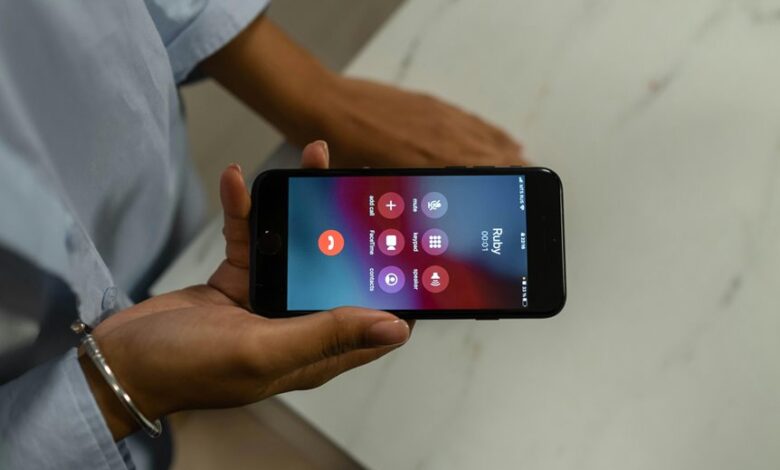
The Digital Contact Intelligence Portal, anchored by the 980-213-0714 identifier, frames trusted caller lookup through verified identity, privacy controls, and governance. It gathers signals, assesses risk, and cross-checks authoritative sources to minimize data use while preserving accuracy. The system supports consent-driven operations and auditable flows for both individuals and enterprises. It offers practical safeguards and practical uses, but essential questions remain about implementation, oversight, and long-term trust.
What Is Digital Contact Intelligence and Why It Matters
Digital Contact Intelligence refers to the collection, processing, and analysis of caller-related data to identify and verify phone numbers and associated entities. It centers on transparent privacy controls, robust data governance, and measurable trust indicators. The framework respects user consent, enabling responsible data use while enabling legitimate verification. This clarity supports informed decisions and consistent security across diverse communication channels.
How Trusted Caller Lookup Works in Practice
In practice, trusted caller lookup executes a structured sequence that verifies a phone number’s identity, associates it with verified entities, and continually assesses risk indicators, all within defined privacy controls and governance.
The process uses a robust lookup mechanism, cross-referencing authoritative registries and behavior signals, delivering a trusted caller designation while preserving user consent, data minimization, and transparent governance.


Real-World Use Cases for Personal and Enterprise Safety
Real-world use cases for personal and enterprise safety illustrate how trusted caller lookup enhances both individual protection and organizational resilience. Enterprises deploy caller verification to reduce fraud, while individuals benefit from accurate identification in blocking phishing attempts. Privacy safeguards, data minimization, user consent, and risk assessment structures ensure responsible deployment and ongoing evaluation aligned with autonomy and freedom of choice.
Privacy, Security, and Compliance in the Portal
Privacy, security, and compliance governance underpins the Digital Contact Intelligence Portal by establishing formal controls for data collection, access, and processing. The framework defines privacy controls, data minimization, and security responsibilities, ensuring transparent governance. It emphasizes user consent, auditable flows, and minimum necessary data usage, enabling responsible access while preserving freedom to innovate and safeguard trust.
Conclusion
Digital Contact Intelligence provides a structured framework for verifying caller identity while preserving privacy and governance. By aggregating credible signals, enforcing consent, and maintaining auditable processes, the portal enables trusted designation for individuals and organizations. Its risk-aware approach reduces fraud without compromising data minimization. In practice, this system acts as a lighthouse—steady, transparent, and guiding safe communications through a complex information sea, inviting trust while ensuring compliance and responsible innovation.