Energy bills can rise fast when your roof works against your home. In summer, dark roofing can absorb heat and push attic temperatures higher. In winter, weak roof areas, poor ventilation, and damaged materials can reduce comfort and strain heating systems. Conventional roofs can reach 150°F or more on sunny summer afternoons, while cool roofs can stay more than 50°F cooler under the same conditions.
The EPA also states that solar reflectance from a cool roof can reduce peak cooling demand by 11% to 27% in air-conditioned residential buildings. These numbers show why energy-efficient roofing solutions matter. A better roof can help control heat transfer, protect insulation, and reduce long-term energy waste.
Your Roof Plays a Major Role in Energy Use
Your roof does more than block rain. It affects how heat enters and leaves the building. In hot months, roofing materials absorb sunlight. That heat can move into the attic and then into living or work areas. Your cooling system then has to work harder.
In colder months, damaged roof areas and poor attic conditions can also affect comfort. Gaps, leaks, and moisture can reduce insulation performance. That can make rooms feel colder and less stable.


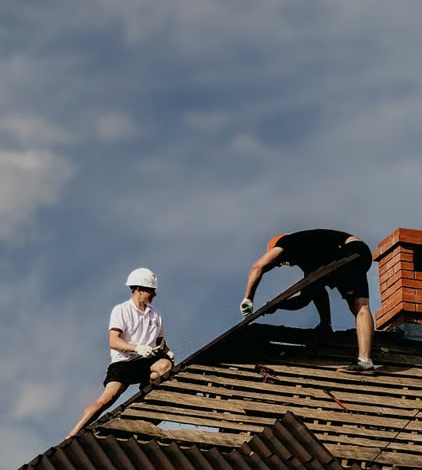
Professional roofers in Mentor assess the roof as part of a full energy system. They check materials, ventilation, drainage, insulation condition, and areas where heat or moisture may move.
Cool Roofing Can Reduce Heat Gain
Cool roofing materials reflect more sunlight and absorb less heat than standard dark materials. This helps lower roof surface temperature. It can also reduce attic heat in many homes and buildings.
Cool roofing may include reflective shingles, coated metal roofing, roof coatings, or single-ply systems for flat roofs. The right choice depends on roof slope, building type, budget, and local weather.
These upgrades can support both homes and businesses. In residential and commercial roofing, less heat gain can mean better comfort and lower cooling demand during hot months.
Better Ventilation Supports Year-Round Comfort
Roofing upgrades should include ventilation checks. Attic ventilation helps control heat and moisture. In summer, proper airflow can reduce trapped attic heat. In colder months, ventilation helps reduce moisture buildup under the roof deck.
Poor ventilation can shorten roof life. It can also allow condensation to form in attic spaces. That moisture can affect wood, insulation, and indoor air quality.
Roofers can check intake and exhaust vents during roofing work. They can also clear blocked soffits or suggest changes that help the roof breathe correctly.
Insulation Works Better When the Roof Is Sound
Insulation slows heat movement. But it must stay dry and protected to work well. Roof leaks, poor flashing, clogged gutters, and ventilation issues can all damage insulation.
Wet insulation loses performance. It may also hold moisture against wood framing. That can lead to mold and rot.
Energy-efficient roofing solutions help protect insulation by keeping water out and managing attic conditions. This helps the home stay warmer in winter and cooler in summer.
Roofing Materials Affect Long-Term Costs
Low-cost materials can cost more over time if they fail early or allow more heat gain. Stronger roofing products can resist weather better and need fewer repairs.
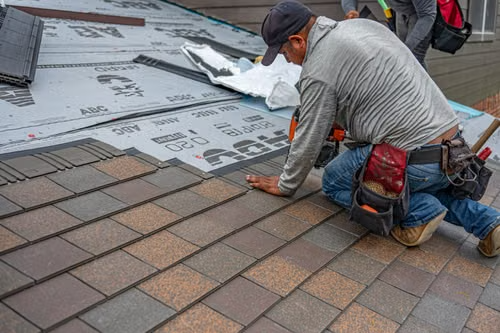
Metal roofing, reflective shingles, and cool roof systems can all support energy performance when installed correctly. Strong underlayment and flashing also matter. A roof must work as one complete system.
Good materials, proper installation, and regular roof maintenance help lower repair needs. They also help the roof perform closer to its expected lifespan.
Roof Maintenance Protects Energy Performance
Even a good roof needs care. Missing shingles, clogged gutters, cracked flashing, and blocked vents can all reduce performance. Small issues can let water and air into places they should not reach.
Routine roof maintenance helps prevent these problems. Roofers can find weak areas before they cause energy loss or water damage. They can also check drainage, seal trouble spots, and inspect roof vents.
Maintenance keeps the roof in better condition through heat, rain, wind, snow, and seasonal temperature changes.
Commercial Buildings Can See Big Benefits
Commercial roofs often cover large areas. Many have flat or low-slope systems that absorb a lot of heat. This can increase cooling demand and raise operating costs.
Energy-efficient roofing solutions can help reduce heat load across large buildings. Reflective membranes, coatings, improved drainage, and proper insulation can all support better performance.
Business owners also benefit from fewer interruptions. A stronger roof helps protect equipment, inventory, and daily operations.
Homeowners Gain Comfort and Value
For homeowners, energy-efficient roofing upgrades can make indoor spaces feel more stable. Rooms under the attic may feel less hot in summer. Heating and cooling systems may run more evenly. The home may also have stronger protection against moisture and leaks.
A well-planned roofing upgrade can also support resale value. Buyers often pay attention to roof age, material quality, ventilation, and maintenance records.
Improve Efficiency with Walker Roofing & Construction LLC
Get more from your roof with Walker Roofing & Construction LLC. Our team provides energy-efficient roofing solutions, roof maintenance, repairs, and roofing support for homes and businesses across Ohio. With over 20 years of experience and a 10-year workmanship guarantee, we help property owners choose roofing upgrades that support comfort, performance, and long-term value.
Contact Walker Roofing & Construction LLC today to schedule your roofing inspection and start planning a stronger, more efficient roof.