In today’s world, it’s nearly impossible to walk down a street without being caught on camera. These security cameras are everywhere—on street corners, in stores, even on your neighbor’s porch. It’s like we’re living in a sci-fi movie where Big Brother is always watching. But should we be worried about this constant surveillance, or is it just the price we pay for safety?
On one hand, these cameras can be a real lifesaver. They help deter crime, catch criminals in the act, and even provide valuable evidence when something goes wrong. For instance, think about how many times you’ve heard news stories about a suspect being identified thanks to CCTV footage. That’s pretty reassuring, right?
But then there’s the flip side. All this surveillance can feel a bit invasive. Imagine just going about your day, minding your own business, and knowing that every move you make is being recorded. It’s a bit unsettling, isn’t it? There’s a balance to be struck here between safety and privacy, and it’s not always clear where that line should be drawn.
Smart sensors and facial recognition: making life easier or intruding too much?
Smart sensors and facial recognition technology are popping up everywhere too. From unlocking your phone with a glance to automated check-ins at airports, these advancements are certainly making life more convenient. But are they also intruding too much into our personal lives?
Imagine walking into a store and having a camera scan your face to track your shopping habits. Sure, it might help you find that perfect pair of shoes faster, but it also means you’re being watched in ways you might not even realize. And let’s not forget the potential for misuse—what if this technology falls into the wrong hands? The thought alone is enough to make anyone uneasy.
Yet, it’s hard to deny the benefits. Automated systems can streamline processes, improve efficiency, and even enhance security. For example, airports using facial recognition for boarding passes can significantly reduce wait times. So again, we’re left with that tricky balance between convenience and privacy.
Biometric scanning: convenience at the cost of data security
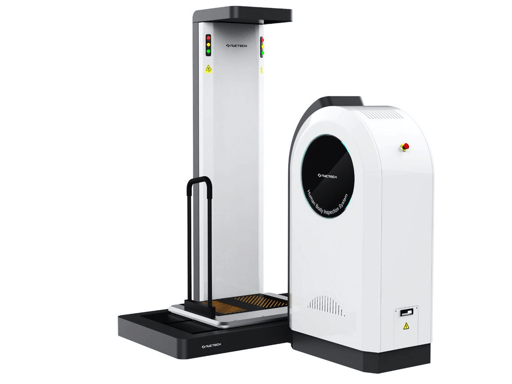
Biometric scanning has become commonplace in our daily lives—think fingerprint scanners on phones, iris scanners at secure facilities, or even a body scanner. It’s incredibly convenient; no more fumbling for keys or remembering complex passwords. But what about the data security implications?
Your biometric data is unique to you—it’s literally part of who you are. If this data gets compromised, it’s not like you can just change your fingerprint or your iris pattern. The stakes are much higher than with traditional data breaches. Just imagine the potential fallout if someone got hold of this highly personal information.
On the flip side, biometric scanning can offer enhanced security compared to traditional methods. It’s harder to fake a fingerprint than it is to guess a password. This technology can provide a robust layer of protection for sensitive information and secure access to important areas.
See also: What are some proven techniques for explaining mathematics to youngsters?
The future of public security: what’s next in tech advancements?
So what does the future hold for public security technologies? It’s both exciting and a little daunting to think about. As technology continues to advance at a rapid pace, we can expect to see even more sophisticated systems designed to keep us safe—or at least that’s the hope.
From AI-driven analytics that predict criminal behavior to drones patrolling our skies or an xray suitcase, the possibilities are endless. These innovations could potentially revolutionize how we approach public safety, making our communities safer than ever before.
But with great power comes great responsibility (thanks, Spider-Man). As these technologies evolve, so too must the regulations and ethical considerations surrounding their use. It’s crucial that we find ways to harness these advancements without sacrificing our fundamental rights and freedoms.
In conclusion, while these technological advancements bring undeniable benefits in terms of safety and convenience, they also raise important questions about privacy and data security. As we navigate this brave new world, finding the right balance will be key to ensuring that we can enjoy the best of both worlds.