Finding the Perfect Balance Between Performance, Safety, Reliability, and Efficiency
A car is more than just a machine that gets you from one place to another. For many drivers, it represents freedom, convenience, and even personal style. While some people prioritize speed and acceleration, others focus on fuel efficiency or long-term dependability. The real challenge lies in finding the perfect balance between performance, safety, reliability, and fuel economy. Improving one aspect without considering the others can lead to higher maintenance costs, reduced vehicle lifespan, or compromised safety. Modern automotive engineering has made it possible to build vehicles that offer impressive horsepower while maintaining excellent fuel efficiency and strong safety ratings. However, owners also play an important role in preserving this balance through regular maintenance and responsible driving habits. Simple practices such as changing engine oil on time, replacing air filters, checking tire pressure, and using quality fuel help keep the engine operating efficiently. Drivers who rush into expensive performance modifications often overlook how these changes affect the vehicle’s suspension, braking system, cooling components, and fuel consumption. A balanced approach considers every system working together rather than focusing on a single performance statistic. Manufacturers spend years designing vehicles that meet strict safety and emissions regulations while delivering reliable performance under different driving conditions. Respecting those engineering principles ensures that the vehicle continues to operate efficiently for many years. Instead of chasing maximum horsepower, smart owners focus on maintaining consistent engine health, smooth transmission performance, responsive handling, and dependable braking. This comprehensive approach creates a vehicle that performs well every day, remains safe for passengers, and retains its value over time.
Maintaining Engine Health for Lasting Reliability and Performance
The engine serves as the heart of every vehicle, making its condition the single most important factor in balancing performance and reliability. Even the most powerful engine will eventually lose efficiency if maintenance is neglected. Regular oil changes reduce friction between moving parts, allowing the engine to run smoothly while minimizing wear. For drivers
The reprogrammation moteur Aix-en-Provence engine health should be checked before any tuning work is carried out, because software optimisation is only reliable when the underlying mechanical condition is sound. High-quality engine oil also helps regulate temperature and remove contaminants that could damage internal components.
Cooling systems deserve equal attention because overheating can lead to costly repairs, warped cylinder heads, or complete engine failure. Drivers should inspect coolant levels, hoses, and radiators regularly to ensure proper heat management. Spark plugs, ignition coils, and fuel injectors also influence engine performance by ensuring efficient combustion. Dirty injectors or worn spark plugs reduce power while increasing fuel consumption. Air filters should be replaced according to manufacturer recommendations since restricted airflow forces the engine to work harder. Modern vehicles rely heavily on sensors that monitor fuel delivery, emissions, and ignition timing. Addressing warning lights promptly prevents minor issues from becoming major mechanical failures. Using manufacturer-recommended fuel grades also protects engine performance without unnecessary spending on premium fuel when it is not required. Drivers who avoid aggressive acceleration and allow the engine to warm up naturally often experience longer engine life. Scheduled inspections help mechanics identify leaks, worn belts, and deteriorating components before they cause expensive breakdowns. Reliability is not achieved through luck but through consistent preventive maintenance. An engine that receives proper care delivers strong acceleration, smooth operation, lower emissions, and better fuel economy throughout its lifespan. Investing in maintenance costs significantly less than paying for major engine repairs, making preventive care one of the smartest decisions any vehicle owner can make.


Safety Should Never Be Sacrificed for More Power
Many automotive enthusiasts enjoy upgrading their vehicles to increase horsepower, improve acceleration, or create a sportier driving experience. While performance modifications can be exciting, they should never compromise safety. Increasing engine output without upgrading supporting components may place excessive stress on the transmission, brakes, suspension, and tires. High-performance vehicles require equally capable braking systems to maintain safe stopping distances. Brake pads, rotors, brake fluid, and calipers should always be maintained in excellent condition, especially when engine performance is increased. Tires are another critical safety component because they provide the only contact between the vehicle and the road. Worn or low-quality tires reduce traction, increase braking distance, and decrease stability during emergency maneuvers. Suspension systems also play an important role by keeping tires firmly planted on the road while absorbing bumps and maintaining vehicle control. Drivers should avoid lowering vehicles excessively or installing oversized wheels that negatively affect ride quality and steering response. Electronic safety technologies such as anti-lock braking systems, electronic stability control, traction control, adaptive cruise control, and collision warning systems have significantly reduced accident rates in modern vehicles. Owners should never disable these systems simply for perceived performance gains. Responsible driving remains equally important regardless of the vehicle’s capabilities. Excessive speeding, aggressive cornering, and sudden acceleration increase accident risks while placing unnecessary strain on mechanical components. True performance means having confidence that the vehicle can accelerate, handle, and stop safely under all driving conditions. Balancing performance with dependable safety systems ensures both driving enjoyment and passenger protection.
Improving Fuel Economy Without Reducing Driving Enjoyment
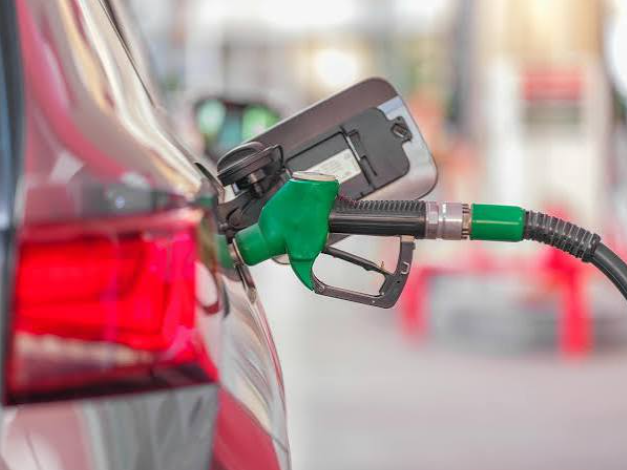
Fuel efficiency has become one of the most important considerations for modern drivers due to rising fuel prices and growing environmental awareness. Fortunately, improving fuel economy does not necessarily mean sacrificing performance. Many simple habits can reduce fuel consumption while maintaining an enjoyable driving experience. Smooth acceleration, gradual braking, and maintaining steady highway speeds significantly improve fuel efficiency. Rapid acceleration forces the engine to consume more fuel, while sudden braking wastes the energy already used to move the vehicle forward. Proper tire inflation also reduces rolling resistance, allowing the engine to work less during daily driving. Carrying unnecessary cargo adds extra weight that lowers fuel economy, so removing unused items from the trunk provides noticeable benefits over time. Routine wheel alignment prevents uneven tire wear and minimizes resistance that reduces efficiency. Modern synthetic lubricants reduce engine friction, contributing to better mileage while protecting internal components. Drivers should also avoid excessive idling because stationary engines continue consuming fuel without covering any distance. Planning trips efficiently and combining multiple errands into one journey reduces total fuel usage. Air conditioning can affect fuel economy, especially during city driving, although driving with windows fully open at highway speeds may also increase aerodynamic drag. Selecting the correct driving mode in vehicles equipped with Eco, Normal, and Sport settings helps optimize performance based on current driving conditions. Hybrid and electric technologies have further demonstrated that efficiency and strong performance can coexist when engineering is carefully optimized. Ultimately, responsible driving habits provide greater fuel savings than expensive aftermarket modifications while simultaneously reducing wear on the engine, transmission, brakes, and tires.
See also: How a Dallas SEO Company Helps Businesses Build Strong Online Authority
Smart Driving Habits Create the Ideal Long-Term Balance
Achieving the perfect balance between car performance, reliability, safety, and fuel economy requires more than purchasing the right vehicle. It depends on how the owner maintains and operates the car throughout its life. Regular servicing according to the manufacturer’s maintenance schedule forms the foundation of dependable vehicle ownership. Monitoring fluid levels, replacing worn components promptly, and addressing unusual noises before they worsen prevent costly repairs and unexpected breakdowns. Drivers should also adopt defensive driving techniques that reduce accident risks while minimizing unnecessary mechanical stress. Gentle acceleration, maintaining safe following distances, observing speed limits, and avoiding harsh braking improve both safety and fuel efficiency. Choosing high-quality replacement parts instead of the cheapest alternatives often results in greater reliability and longer service intervals. Vehicle owners who keep accurate maintenance records also preserve resale value and demonstrate responsible ownership to future buyers. Seasonal inspections become particularly important before long road trips or during extreme weather conditions when engines, batteries, tires, and cooling systems experience additional stress. Technology such as onboard diagnostics, tire pressure monitoring systems, and maintenance reminder features helps drivers identify issues early before they become serious problems. Rather than focusing solely on increasing horsepower, successful vehicle ownership emphasizes balanced performance that supports everyday driving needs. A reliable car that starts every morning, delivers predictable handling, consumes fuel efficiently, and protects its occupants during emergencies offers far greater long-term value than one designed only for maximum speed. By combining preventive maintenance, responsible driving habits, quality components, and thoughtful upgrades, drivers can enjoy strong performance without sacrificing safety, reliability, or fuel economy. This balanced approach ensures lower operating costs, increased vehicle lifespan, enhanced driving confidence, and a more enjoyable ownership experience for years to come.