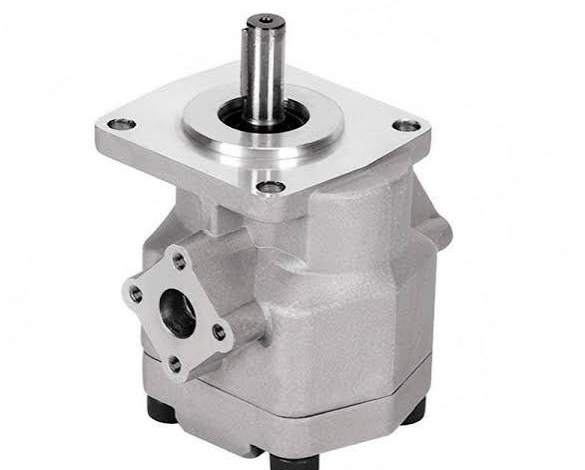
Selecting the right hydraulic pump manufacturer is a decision that ripples across an entire piece of industrial equipment’s performance and reliability. For engineers and procurement teams sourcing pumps for a new project, understanding the key evaluation criteria helps avoid costly mismatches down the line.
Matching Pump Type to Application Requirements
Hydraulic pumps come in several distinct configurations, including gear, vane, and piston designs, each suited to different pressure ranges, flow requirements, and duty cycles. Selecting the correct pump type for a specific application is the essential first step before comparing individual manufacturers.
Manufacturing Quality and Material Standards
The precision of internal machining and the quality of materials used directly affect a pump’s efficiency, noise level, and service life. Buyers should ask manufacturers about their quality control processes and any relevant industry certifications, since these details often reveal more about long-term reliability than headline specifications alone.


Efficiency Ratings and Energy Consumption
Pump efficiency directly affects the operating cost of hydraulic systems over their service life, making this a particularly important consideration for applications running continuously or under heavy duty cycles. Comparing efficiency ratings across manufacturers can reveal meaningful differences in long-term energy costs.
Customization and Engineering Support
Many industrial applications require pumps configured for specific pressure, flow, or mounting requirements. Manufacturers that offer strong engineering support during the specification process tend to help buyers avoid costly mismatches between pump capabilities and actual application demands.
After-Sales Support and Parts Availability
Given that hydraulic pumps are often critical components in larger systems, the availability of replacement parts and responsive technical support becomes especially important when evaluating potential manufacturers, particularly for buyers operating equipment in remote or hard-to-service locations.
Comparing Manufacturer Options
For engineers and buyers researching potential suppliers, reviewing the range of pump types and specifications offered by a hydraulic pump manufacturer can help clarify which options best match specific pressure, flow, and application requirements.
Total Cost of Ownership Considerations
Beyond the initial purchase price, buyers should factor in expected efficiency, maintenance requirements, and anticipated service life when comparing manufacturers, since a lower upfront cost doesn’t always translate into the lowest total cost over the pump’s operational lifespan.
See also: The End of “Good Enough” Communications: Why Businesses Are Raising the Bar
Frequently Asked Questions
How do I know which type of hydraulic pump is right for my application? This depends on the required pressure range, flow rate, and duty cycle of the application; consulting with a manufacturer’s engineering team can help clarify which pump configuration best matches specific requirements.
Does a higher-priced pump always mean better reliability? Not automatically, but price often reflects manufacturing precision and material quality, both of which do tend to correlate with longer service life and more consistent performance.
How important is parts availability when choosing a manufacturer? Very important, particularly for critical applications where downtime is costly, so confirming a manufacturer’s parts availability and support responsiveness is a worthwhile step before finalizing a purchase.
Final Thoughts
Choosing the right hydraulic pump manufacturer requires balancing application-specific technical requirements against manufacturing quality, efficiency, and long-term support considerations. A thorough evaluation process helps engineers and procurement teams select a pump that will perform reliably throughout its intended service life.