Shanghai has become a genuine hub for content creation, serving brands with ambitions ranging from local market campaigns to international audiences. But video production in Shanghai spans an enormous range of scale and complexity, from quick social media clips to fully produced brand films. Understanding what actually goes into a successful project helps ensure your investment produces the results you’re expecting.
Defining Your Project Before Reaching Out to Anyone
The single biggest factor in a smooth production process is clarity about what you actually need before conversations with any production company begin. This means having answers, even rough ones, to questions like:
- What is the primary purpose of the video: brand awareness, product demonstration, internal training, or something else?
- Who is the target audience, and where will the content primarily be viewed?
- What is the general tone and style you’re envisioning?
- Do you have existing brand guidelines that need to be reflected?
Production companies can work with vague briefs, but the results tend to be far stronger when clients arrive with at least a rough sense of direction rather than leaving every creative decision entirely open.
See also: Ipamorelin Dosing: A Careful Look at What the Evidence Will Bear


Understanding the Stages of Production
Video production typically unfolds across three distinct phases, each requiring different skills and attention:
- Pre-production, covering scripting, storyboarding, location scouting, and logistics planning
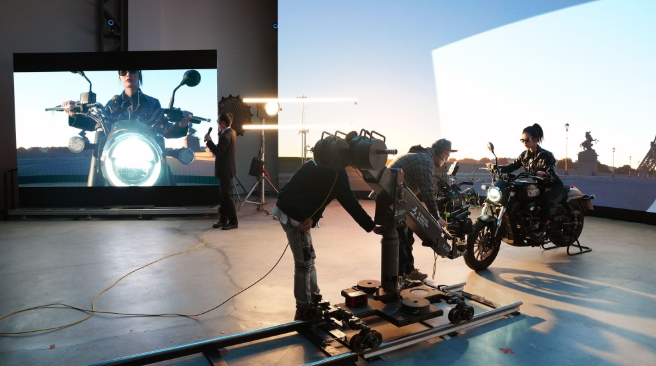
- Production, the actual filming process involving crew, equipment, and talent direction
- Post-production, including editing, colour grading, sound design, and final delivery
Rushing through pre-production is one of the most common mistakes clients make, often because it feels like the least tangible phase. In reality, thorough pre-production planning is usually what separates a smooth, on-budget shoot from one plagued by delays and unexpected costs.
Choosing the Right Production Partner
Not every production company suits every type of project. Some specialise in corporate and commercial work, while others focus on more creative, narrative-driven content. When evaluating potential partners, it’s worth looking closely at their previous work in styles similar to what you’re planning, rather than assuming general video production experience translates evenly across every genre.
Companies with strong in-house capability across the full production pipeline, from concept development through final editing, tend to offer more cohesive results than coordinating multiple separate vendors for each stage. Reviewing the range of work available through a studio like shanghai video production can give a clearer sense of whether their style and capability align with your specific project.
Budgeting Realistically
Video production costs vary enormously depending on scope, crew size, equipment needs, and post-production complexity. It’s worth having an honest conversation early about budget constraints, since this shapes practical decisions around shoot duration, crew size, and the extent of post-production work possible within your timeline.
Frequently Asked Questions
How long does a typical video production project take from start to finish? Timelines vary significantly by project scope, but simpler projects might take a few weeks while more complex productions can take several months.
What’s the most important phase of video production? While all phases matter, thorough pre-production planning is often what determines whether the actual shoot runs smoothly and on budget.
Should I hire a full-service production company or separate specialists? For most projects, a full-service company offering cohesive support across pre-production, filming, and editing tends to produce more consistent results.
Final Thoughts
Successful video production in Shanghai depends heavily on clear planning before filming even begins. By defining your goals clearly, understanding each production phase, and choosing a partner whose experience matches your project style, you set the foundation for content that actually achieves what you set out to create.