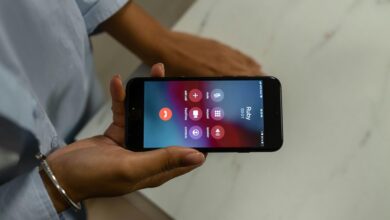
Phone intelligence explores how trusted contacts influence caller identity across mobile networks. The framework collects cross-network signals with a focus on validation, privacy, and user consent. It emphasizes probabilistic inference, auditability, and reproducible methods to map interaction patterns. The approach raises questions about data stewardship and ethical boundaries. A careful, methodical assessment is needed to determine what signals truly reflect trust and how they should be used, leaving practitioners with choices that demand further scrutiny.
What Is Phone Intelligence and Why It Matters
Phone intelligence refers to the systematic collection, analysis, and interpretation of data related to mobile devices, networks, and user behavior to derive actionable insights. The field emphasizes trust signals and contact verification while balancing privacy considerations. An analytical framework depends on ethics guidelines to guard against misuse, ensure transparency, and maintain user autonomy, enabling informed decisions without compromising security or freedom.
How Trusted Contacts Shape Caller Identity
Trusted contacts act as corroborating signals that anchor the perceivable identity of a caller within digital communications networks. This framework analyzes how trusted contacts influence caller identity by cross-referencing trusted networks, call patterns, and corroborative metadata. The approach examines reliability, potential biases, and the limits of social corroboration, highlighting cautious interpretation of signals that shape trusted contacts and caller identity.
Methods and Signals Behind Trusted Contact Research
The methods and signals underlying trusted contact research combine systematic data collection, cross-network validation, and probabilistic inference to illuminate how corroborating relationships influence perceived caller identity. Analysts map trusted networks, quantify interaction patterns, and test signal standards across platforms, yielding reproducible inferences. Findings emphasize structured evidence over anecdote, enabling robust, auditable assessments of caller credibility within dynamic communication ecosystems.


Privacy, Ethics, and Responsible Use in Phone Intelligence
Clear boundaries govern the collection, storage, and use of data involved in phone intelligence, ensuring that privacy protections, ethical norms, and accountability mechanisms are integral from inception to deployment. This analysis examines privacy ethics in monitoring and data fusion, highlighting risks, consent gaps, and governance. It argues for transparent audits, user control, and responsible use as guardrails that preserve freedom while enabling insight.
Conclusion
Phone intelligence, when anchored in trusted contacts, offers a sharper lens on caller identity by cross-referencing corroborating signals while preserving user consent and data integrity. The methodology emphasizes transparency, probabilistic inference, and reproducibility, enabling audits and robust validation across networks. At its core, trusted signals help distinguish legitimate interactions from noise, much like a compass guiding through fog—clarity emerges when data quality, ethics, and user control align in a disciplined investigative framework.