By a paintless dent repair industry contributor.
The storm passes, the sky clears, and you see it: dents all over your car’s hood, roof, and trunk. You get that sinking feeling and want a fix right away. But picking the wrong repair shop over a specialist like Mile High Dents Denver can cause more problems than the hail did. You could end up with cracked paint, colors that don’t match, or a lower car value when you try to sell it.
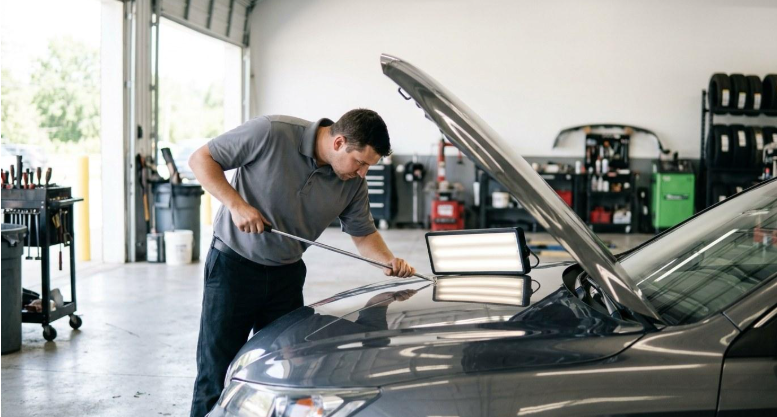
The key is to find a technician who uses a special method that doesn’t harm your car’s paint. This method is called Paintless Dent Repair (PDR). It gently pushes the metal back into shape from behind, which saves your car’s original paint job. Looking for a real specialist, like the team at Mile High Dents, is the first step to getting your car fixed right. Checking out the shop is important because not all places that offer PDR have the skill needed for serious hail damage.
Quick answer: To check out a PDR shop, make sure they specialize in hail damage, not just small door dings. Ask to see their work on cars like yours and ask how they handle insurance claims. A real pro will give you a detailed estimate, explain how they get to the dents, and offer a lifetime warranty.

What’s inside
- Why Does the Repair Method Matter for My Car’s Value?
- How Can I Tell a Specialist from a General Body Shop?
- Why Is Hail a Bigger Problem Along the Front Range?
- Frequently Asked Questions About PDR and Hail Damage
Why Does the Repair Method Matter for My Car’s Value?
The right repair method saves your car’s original paint, which is a big deal for its resale value. The wrong one can lower its value for good. Your car’s original paint is more than just a color. It’s a special multi-layer paint job that’s baked on in the factory. This makes it much tougher than a new paint job from a local shop. Keeping this original paint is the main goal of a good repair.
When a shop uses old-school methods instead of PDR, they often sand off the original paint. Then they use body filler to smooth the surface before they prime and repaint it. It might look good at first, but it’s a change that can be spotted later. This type of repair can show up on a vehicle history report, which makes future buyers nervous.
❝ Ask any technician if they plan to use body filler or new paint on the hail dents. If they say yes for a lot of dents, it’s not a true PDR repair. The goal is to fix the metal you have, not cover it up.
A bad repair or leaving the hail damage can cost you a lot of money. A car with a lot of bodywork on its record, or with dents that were never fixed, gets a much lower trade-in offer. Buyers and dealers worry about hidden problems like paint that doesn’t match, filler that cracks, or paint that peels. They see the repair as a risk, so they offer you less money.
Choosing a PDR specialist is an investment in your car’s future value. By saving the factory paint, you avoid the red flags that lower its value. The repair can’t be seen, the vehicle history stays clean, and your car stays in great shape.
How Can I Tell a Specialist from a General Body Shop?
A real specialist focuses almost entirely on hail repair. They use special tools and can explain how they reach the dents without drilling holes. After a big hailstorm, lots of general body shops and out-of-town “storm chasers” start offering PDR. While some might be good, a real specialist has much more experience. They’ve worked on thousands of hail-damaged cars, not just a few door dings.
The key is to look for proof that they are true experts. A generalist might see hail repair as a small part of their business. A specialist sees it as their entire business. This focus means they buy the latest tools and get training for tough repairs on new types of metal, like aluminum.
Use these criteria to evaluate a potential provider:
| Vetting Criteria | PDR Specialist | Generalist or “Storm Chaser” |
| Primary Business | Over 90% of work is PDR, mostly hail. | Collision repair, painting, mechanical work. |
| Technician Experience | Years of experience in PDR. | May have one PDR tech or hire someone else to do it. |
| Warranty | Lifetime warranty tied to a local, physical shop. | May have a weak warranty or no local shop to call. |
| Access Method | Uses factory access points, glue pulling. | May suggest drilling holes in door jambs. |
| Estimate Details | Lists every dent and its size on each panel. | Often a single, non-detailed price. |
When you talk to a technician, ask specific questions about how they work. Ask how they plan to reach dents in tricky spots like the rails along the roof. An expert will explain how they use special glue-pulling tools to fix the dent from the outside. This protects the panel. A less experienced person might suggest drilling small holes to get their tools in. This is a big red flag and should only be done if there is no other way.
❝ A permanent, local address is one of your best forms of insurance. After a storm, temporary shops pop up and then vanish a few months later. If a repair fails or an issue arises a year later, you have no one to call. A specialist with a long-standing local presence will be there to honor their warranty.
Finally, ask to see their work. A good shop will be happy to show you a car they are working on. This lets you see the quality for yourself, not just in nice pictures. Look at the reflection in the fixed panels. It should be smooth and clear, with no waves or bumps.
Why Is Hail a Bigger Problem Along the Front Range?
The land around Denver is a perfect recipe for bad hailstorms. This area, called “Hail Alley,” has a special mix of high altitude and being close to the Rocky Mountains. These things work together to make bigger, more damaging hail more often than in most other places. Knowing how this works shows why you need a real expert here.
It starts when damp air from the plains hits the mountains. The Rockies act like a giant ramp, pushing the air up very fast. As the air goes up into the cold, water drops freeze into little ice balls. Strong winds inside the storm hold these ice balls up. They collect more freezing water and grow bigger in layers, like an onion. Since Denver is a mile high, hailstones have less time to fall and melt before hitting your car.
This weather happens most from May to August. For car owners, that means a short season with a lot of risk. After a big storm hits a busy area like Lakewood or Aurora, local shops get overwhelmed with repair work. This is when out-of-state techs, or “storm chasers,” show up. They set up temporary shops to handle all the extra work. Some are good, but many are not. They often leave town when the work is gone, so you have no one to call if the repair fails.
❝ When a big hailstorm hits, insurance companies get flooded with claims. A local shop that already knows the local insurance adjusters can be a big help. They know what paperwork is needed, which can speed up your claim.
Choosing a permanent, local shop that specializes in hail is a smart move in this chaotic time. They’ve seen the kind of damage Front Range storms cause every year. They know how to fix hundreds of cars at once without taking shortcuts. They’ll still be here to back up their warranty long after the storm chasers are gone.
See Also: Beyond the Box: What Really Drives the Cost of Your HVAC Replacement
Frequently Asked Questions About PDR and Hail Damage
How long does a typical PDR hail repair take? How long it takes depends on how bad the damage is, but it’s almost always faster than a regular body shop. Light to medium hail damage can often be fixed in one to three days. That’s because PDR skips the long steps of sanding, filling, and painting that can keep your car at a normal shop for weeks.
Will a hail damage repair show up on my vehicle’s CarFax report? A good PDR repair should not show up on a vehicle history report like CarFax. Since PDR doesn’t replace or repaint parts, it’s not usually a “reportable event” like a car crash. This is a big plus for your car’s resale value because it keeps the history report clean.
What happens if a dent already has a paint chip in it? PDR fixes the metal, not the paint. If the paint is already chipped, PDR can still fix the dent, but the chip will still be there. Many PDR experts can work with a paint touch-up service to fix small paint chips after the dent is gone.
Is it safe to try one of those DIY dent removal kits? DIY kits are risky and can make the damage worse. They aren’t as precise as professional tools, and you can easily crack the paint or stretch the metal. If you push the metal out too far, it creates a high spot that even a pro might not be able to fix.
Do I have to use the body shop my insurance company recommends? No, you have the legal right to pick your own repair shop. Insurance companies often suggest “preferred” shops, but you don’t have to use them. It’s best to choose a shop that specializes in the repair you need, has a good local reputation, and offers a lifetime warranty.
The Bottom Line on Protecting Your Vehicle’s Value
After a hailstorm, you want to fix how your car looks. But the real goal is to protect your car’s value. A car is a big investment. A bad repair can permanently lower its value, create red flags on a history report, and get you a lower price when you sell it. The choice you make isn’t just about dents; it’s about your investment.
The main challenge is telling a real specialist from all the other shops and temporary workers who show up after a storm. The best way to tell is to find a shop with a permanent local address that clearly focuses on PDR. This ensures they have the skill to save your factory paint and will be around to back up their lifetime warranty. A technician who does hail repair as their main business, not just a side job, will have the right tools and experience to do a perfect job.
In the end, when you check out a shop, think about how long they’ve been around and what they specialize in just as much as you think about the price. The right repair is one you can’t see, leaving no marks on the car or its history report. By choosing a method that keeps the original paint, you make sure the damage is really gone and protect your investment for the future.