Home swimming pools have evolved far beyond simple leisure features. Today, more homeowners are transforming their backyard pools into serious fitness centers, driven by the convenience of training at home without gym memberships or crowded lap lanes. At the heart of this transformation lies the swim jet—a powerful system that generates a continuous current, allowing you to swim endlessly in place regardless of pool size. But choosing the right swim jet can feel overwhelming, especially when two popular options dominate the market: the P Series and the X Series.
Each series brings distinct advantages in performance, installation complexity, and overall value, making the decision far from straightforward. Whether you’re a competitive swimmer seeking intense resistance training or a fitness enthusiast wanting a streamlined pool installation experience, the right choice depends on understanding how these systems differ. This article delivers a comprehensive comparison of P Series and X Series swim jets, examining everything from power output and training effectiveness to installation requirements and long-term costs, so you can confidently select the system that matches your goals.
Understanding Swim Jets and Their Benefits for Home Pools
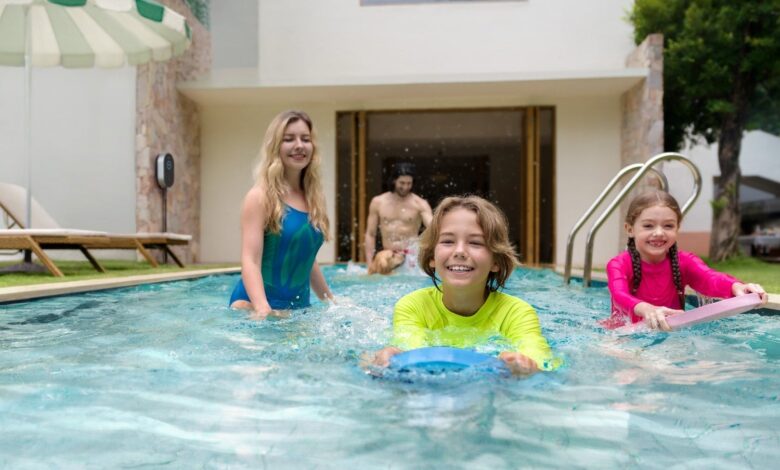
Swim jets are mechanical systems installed in swimming pools that propel a powerful, continuous stream of water against the swimmer. This current creates resistance that mimics open-water swimming conditions, effectively turning even compact pools into endless training lanes. Rather than swimming laps back and forth, you swim in place against the jet’s flow, making pool size virtually irrelevant to workout quality.
The benefits extend well beyond simple convenience. Swim jets deliver adjustable resistance that challenges cardiovascular endurance, builds muscular strength, and refines stroke technique—all within your backyard. They transform a standard pool into a versatile fitness tool suitable for interval training, rehabilitation exercises, and recreational swimming alike. For homeowners serious about aquatic fitness, swim jets eliminate the need for expensive gym memberships or early-morning trips to public facilities. They also add significant value to the pool itself, converting an underused leisure feature into a daily-use training asset that justifies its investment year-round.

Introducing the Contenders: P Series and X Series Swim Jets
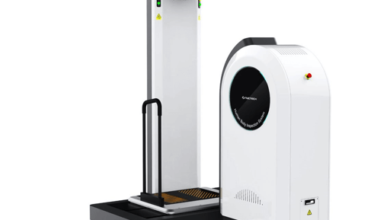
The P Series swim jets are engineered with simplicity and accessibility in mind. Designed for homeowners who want reliable performance without excessive complexity, the P Series emphasizes streamlined integration into existing pool structures. These units feature compact housings, straightforward plumbing connections, and intuitive controls that make them approachable for a wide range of pool configurations. The design philosophy centers on delivering consistent, smooth water flow that suits both fitness-minded swimmers and families seeking versatile pool use.
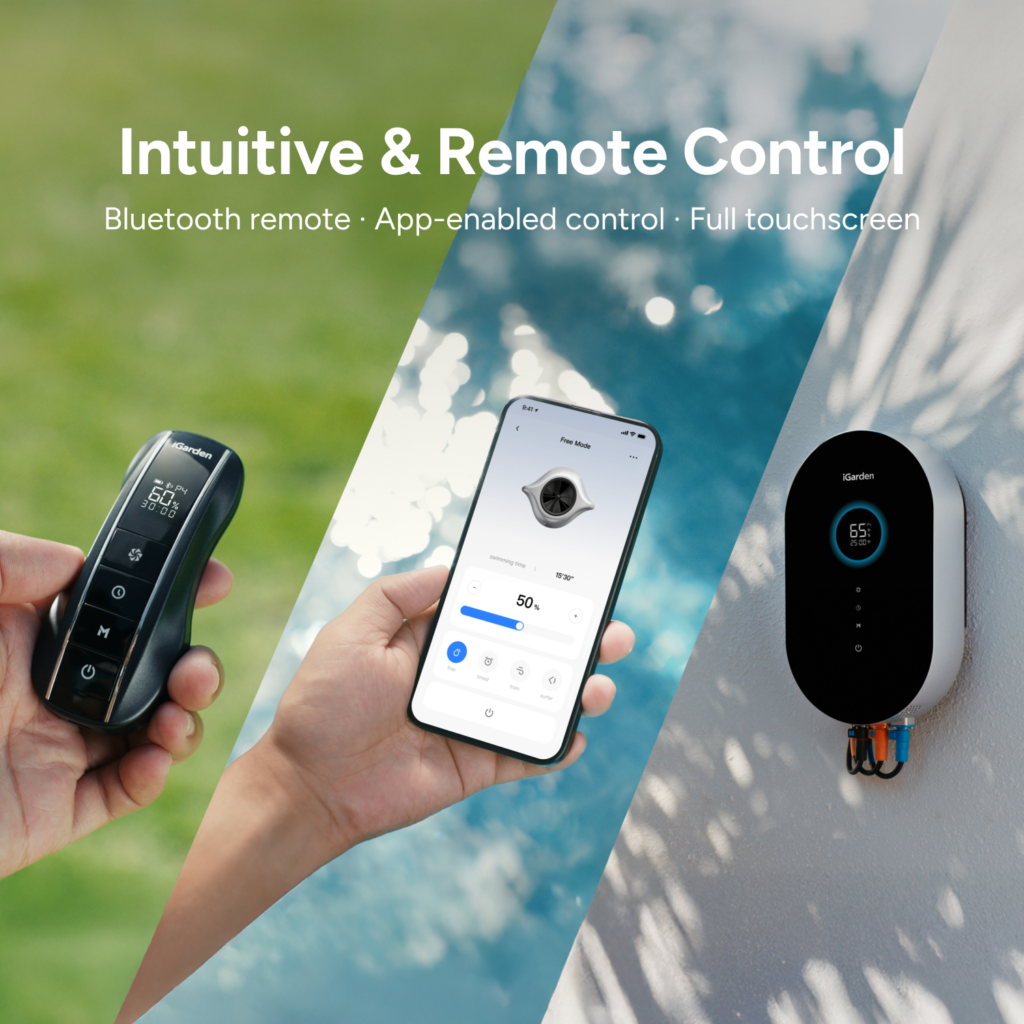
The X Series takes a different approach, prioritizing raw power and advanced customization for demanding users. Built around higher-capacity motors and precision-engineered nozzle systems, X Series jets produce broader, more turbulent currents that closely replicate open-water conditions. Their design targets competitive swimmers and serious athletes who require granular control over training variables. Installation typically involves more extensive planning due to larger components and higher electrical demands, but the payoff is a professional-grade swimming experience. Both series integrate into new construction and retrofit pool installation projects, though their differing footprints and power requirements shape how each fits into specific pool environments.
Performance Face-Off: P Series vs X Series for Serious Training
Power, Speed, and Adjustability
The gap between these two series becomes most apparent when you examine raw output. P Series units deliver moderate motor power suited for steady-state swimming at recreational to intermediate fitness levels. Their flow rates produce a comfortable current that maintains consistent pacing without overwhelming less experienced swimmers. Speed settings typically span a manageable range, allowing users to incrementally increase difficulty as their conditioning improves. The adjustability feels intuitive—most P Series controllers offer straightforward dial or digital interfaces with clearly defined increments.
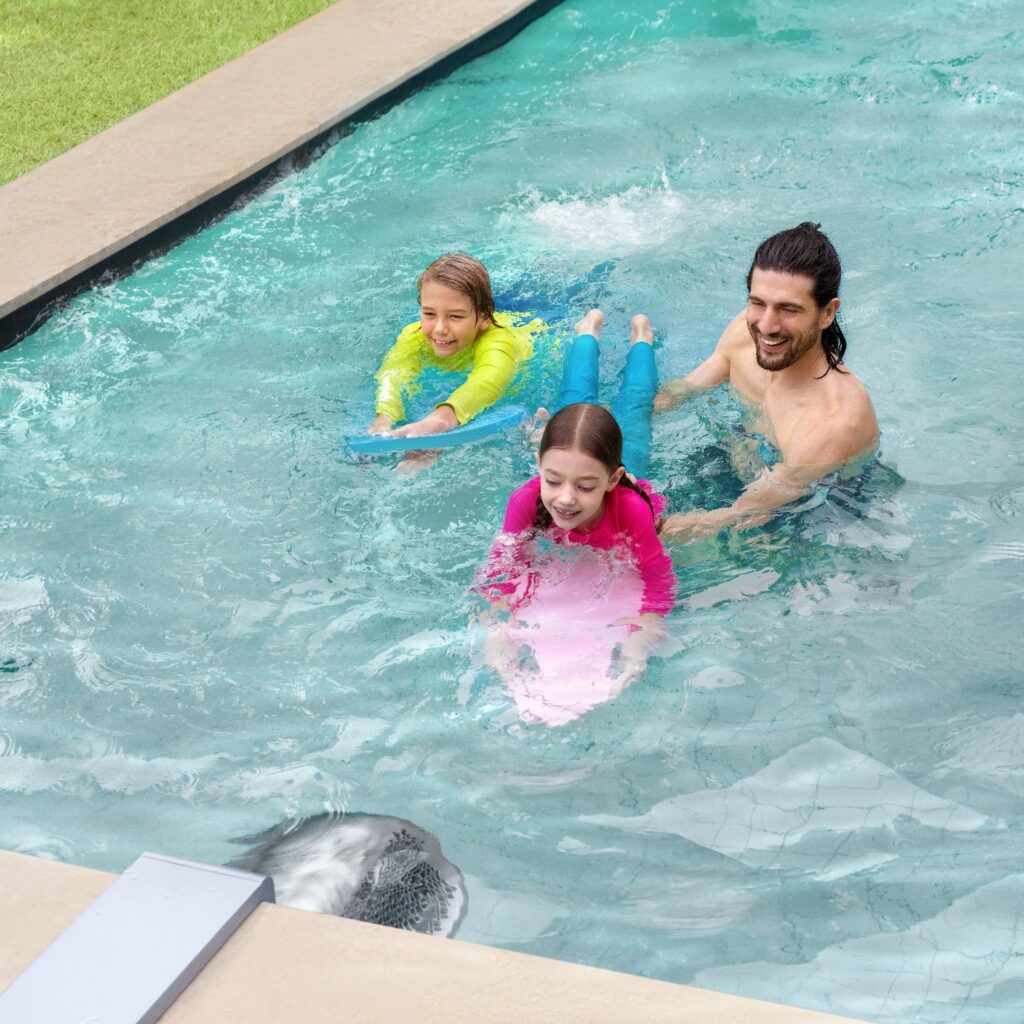
X Series motors generate substantially higher thrust, pushing water volumes that challenge even elite-level swimmers. The flow rate differential translates directly into faster current speeds, demanding greater physical output to maintain position. Where X Series truly separates itself is in micro-adjustability: users can fine-tune current intensity in smaller increments across a wider performance band. This precision matters for structured training programs where specific pace targets dictate workout design. Athletes following periodized plans benefit from the ability to replicate race-pace conditions or dial back for active recovery sessions within the same system.
Resistance Levels and Training Effectiveness
Resistance delivery differs fundamentally between the two series. P Series jets produce a concentrated, laminar flow pattern that provides steady opposition against the swimmer’s body. This design works effectively for building aerobic endurance and maintaining technique at moderate intensities. Casual fitness swimmers and those in rehabilitation programs find the resistance profile forgiving yet productive, allowing extended training sessions without excessive fatigue accumulation.
X Series jets employ wider dispersion patterns combined with higher volume output, creating a more enveloping current that engages the entire body rather than just the torso. This broader resistance field forces swimmers to stabilize their core and maintain streamlined body position—mimicking the demands of competitive open-water environments. For professional-level training, the X Series supports sprint intervals, threshold work, and power-focused sets that the P Series simply cannot replicate at equivalent intensities. The practical difference is significant: swimmers who plateau on P Series resistance often find renewed progression after upgrading to X Series capabilities.
See also: Online Tech Insight Article a @Nixcoders.Org Blog Revealing Coding Discussions
Installation Insights: Ease of Pool Installation for Homeowners
Pre-Installation Requirements and Planning
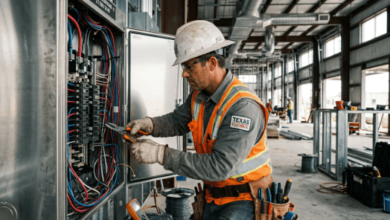
Before any pool installation work begins, both series demand careful assessment of your existing setup. P Series units require modest spatial considerations—their compact footprint fits most standard pool walls with minimal structural modification. Electrical requirements stay within typical residential service capacity, and plumbing connections align with common pool circulation systems. You’ll need to verify wall thickness, confirm adequate access behind the installation point for service, and ensure your electrical panel can accommodate the additional circuit.
X Series installations demand more rigorous planning. Larger motor housings require reinforced mounting surfaces and additional clearance behind pool walls for equipment access. Higher electrical draws often necessitate dedicated circuits or panel upgrades, and wider nozzle assemblies may require custom plumbing runs. Both series benefit from professional site surveys before purchase—measuring available wall space, documenting existing electrical capacity, and confirming that your pool’s construction material supports the chosen system’s weight and vibration profile.
Step-by-Step Installation Process Comparison
P Series pool installation follows a relatively straightforward sequence: cut the wall penetration to specified dimensions, mount the through-wall fitting, connect plumbing lines to existing circulation or dedicated supply lines, wire the motor to its controller, and seal all penetrations against leaks. Most competent installers complete the process within a single day, and the tools required remain standard—hole saws, PVC cement, basic electrical connectors, and silicone sealant.
X Series installation adds complexity at nearly every stage. Wall penetrations are larger, often requiring structural reinforcement before mounting. Plumbing runs involve higher-diameter pipe to accommodate greater flow volumes, and electrical work typically includes conduit runs to dedicated breakers rated for the motor’s amperage. Calibration of the nozzle system adds time post-installation, as technicians must verify flow patterns and adjust dispersion angles. Expect two to three days for complete X Series installation depending on site conditions and any necessary infrastructure upgrades.
Professional Assistance vs DIY Approaches
P Series systems sit within reach of experienced DIY homeowners who possess basic plumbing and electrical skills. If you’ve previously handled pool equipment replacements or similar mechanical projects, self-installation is feasible with careful attention to manufacturer specifications and local building codes. However, hiring a certified pool technician eliminates risk of warranty-voiding errors and ensures watertight integrity from day one. For X Series installations, professional assistance isn’t optional—it’s essential. The electrical demands, structural modifications, and precision calibration involved exceed typical homeowner capabilities. Attempting DIY on an X Series risks equipment damage, code violations, and potentially unsafe electrical configurations. Budget for professional installation when selecting X Series, and treat it as a non-negotiable component of the total project cost.
Cost and Value Analysis: Initial Investment and Long-Term Benefits
The financial commitment between these two series reflects their performance differences. P Series units carry lower upfront purchase costs and reduced installation expenses due to simpler electrical and plumbing requirements. Operational costs remain modest thanks to efficient motor designs that consume less energy during typical training sessions. For homeowners seeking solid performance without stretching their budget, the P Series delivers strong value relative to its price point, and most units carry warranties that cover core components for several years.
X Series systems demand a higher initial investment across every category—equipment cost, professional installation labor, potential electrical upgrades, and ongoing energy consumption from more powerful motors. However, the value proposition shifts when measured against longevity and capability. X Series components are built to withstand sustained high-output operation, often featuring commercial-grade materials that resist corrosion and mechanical wear over extended timelines. Their warranties typically reflect this durability with longer coverage periods. For serious athletes who would otherwise spend thousands annually on pool facility access or coaching environments, the X Series recoups its premium through daily utility and training quality that eliminates external costs entirely.
Choosing Based on Your Needs: Homeowner Scenarios and Recommendations
Your ideal swim jet depends entirely on how you’ll use your pool daily. If you’re a fitness-oriented homeowner who swims three to four times per week for general conditioning, enjoys family pool time on weekends, and values a straightforward pool installation process that won’t disrupt your property for days, the P Series matches your lifestyle perfectly. Its moderate resistance handles endurance building and technique maintenance without demanding electrical upgrades or structural reinforcement, keeping both installation stress and ongoing costs manageable.
Choose the X Series if you train with specific performance targets—split times, threshold paces, or competitive race preparation. Triathletes, former collegiate swimmers, and coached athletes who need replicable training conditions at home will find the X Series indispensable. The higher investment and more involved installation pay dividends when your training demands precision resistance that evolves with your fitness. Consider your five-year trajectory as well: homeowners who anticipate progressing from casual fitness swimming toward structured competitive training may find the P Series limiting within two years, making the X Series a smarter long-term commitment despite its steeper entry point. Many homeowners also find that pairing their swim jet with a smart home platform like iGarden helps them monitor energy usage, schedule maintenance reminders, and integrate pool equipment controls alongside other connected outdoor systems.
Maintenance and Durability Considerations
Both series require regular attention to maintain peak performance, though their maintenance profiles differ. P Series units benefit from quarterly inspection of seals, annual impeller cleaning, and periodic filter checks on intake screens. Their simpler mechanical design means fewer potential failure points and lower repair costs when issues arise. X Series systems demand more frequent monitoring due to higher operational stresses—monthly seal inspections, bi-annual motor bearing assessments, and regular nozzle calibration checks ensure consistent output. Both series perform best when owners flush plumbing lines after chemical treatments and maintain balanced water chemistry to prevent corrosion. X Series components, built from commercial-grade materials, typically outlast P Series equivalents under heavy use, but P Series longevity remains excellent for moderate training schedules when maintenance stays consistent.
Matching Your Swim Jet to Your Training Goals and Lifestyle
The P Series and X Series swim jets serve fundamentally different purposes despite sharing the same core function. P Series delivers reliable, moderate-intensity currents through a compact, installation-friendly design that respects both your budget and your property’s existing infrastructure. It excels for homeowners who prioritize straightforward pool installation, manageable operating costs, and versatile family use alongside regular fitness swimming. The X Series commands a premium across every dimension—power, precision, cost, and installation complexity—but rewards that investment with professional-grade training capability that eliminates the need for external facilities entirely.
Your decision ultimately rests on honest self-assessment. Match the P Series to a lifestyle built around consistent moderate training and simplicity. Commit to the X Series when your goals demand measurable performance gains, structured programming, and resistance that grows with your ability over years of dedicated use. Neither choice is universally superior; the best swim jet is the one aligned with how you’ll actually use your pool every week, not just the week after installation. Evaluate your current fitness level, your five-year ambitions, and your willingness to invest in infrastructure—then choose with confidence.